
Solar Micro Car Kit DIY STEM Kit
$7.99$4.95

|
|
(Sanskrit Jval; Anglo-Saxon gold; L. aurum, gold) Known and highly valued from earliesttimes, gold is found in nature as the free metal and in tellurides; it is very widelydistributed and is almost always associated with quartz or pyrite.
It occurs in veins and alluvial deposits, and is often separated from rocks and otherminerals by mining and panning operations. About two thirds of the world's gold outputcomes from South Africa, and about two thirds of the total U.S. production comes fromSouth Dakota and Nevada. The metal is recovered from its ores by cyaniding, amalgamating,and smelting processes. Refining is also frequently done by electrolysis. Gold occurs insea water to the extent of 0.1 to 2 mg/ton, depending on the location where the sample istaken. As yet, no method has been found for recovering gold from sea water profitably.
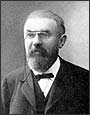 'Science is facts; just as houses are made of stones, so is science made of facts; but a pile of stones is not a house and a collection of facts is not necessarily science.'