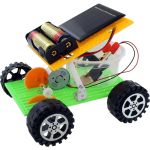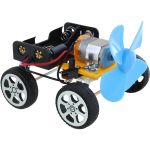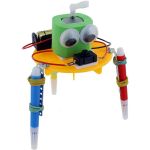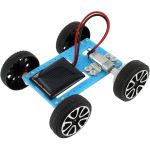

Battery-Powered Balancing Robot DIY STEM Kit
$8.99$4.95

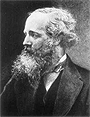 'For the sake of persons of ... different types, scientific truth should be presented in different forms, and should be regarded as equally scientific, whether it appears in the robust form and the vivid coloring of a physical illustration, or in the tenuity and paleness of a symbolic expression.'