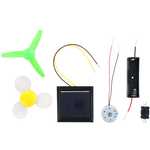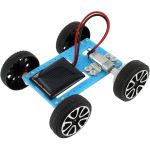


Simple DC Motor DIY STEM Kit
$9.99$5.95
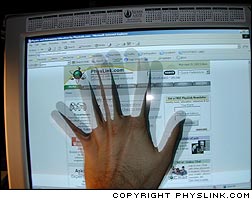 Television screens and monitors refresh their image at a certain rate, called the refresh rate and which have units of inverse seconds, or Hertz. The refresh is needed in order that the screen can show moving pictures. A good way of think of the refresh is a snapshot of an image that is displayed very quickly. If the number of displays per second are increased, that corresponds to a higher refresh rate. Now, each snapshot is 'flashed' for a short amount of time, sort of like the flash bulb of camera going off. If the number of flashes per second is high enough, your brain will interpret this as a constant light source. For instance, if you look at your monitor you will see a steady light coming from it. In reality the monitor is producing anywhere from 60-100 'flashes' per second.